Why Multilingual Support Is a Game-Changer for Diverse Patient Populations
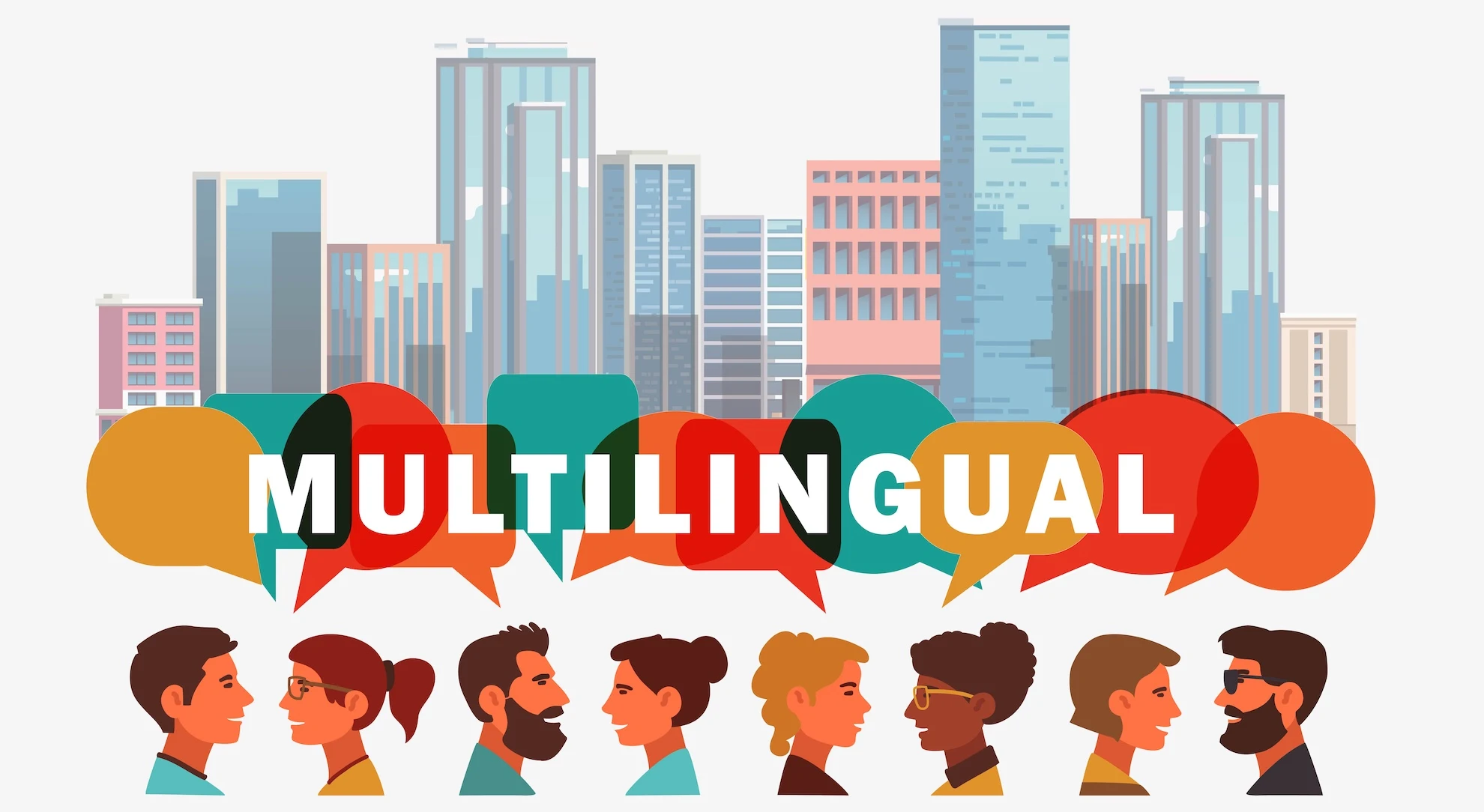
In an increasingly diverse world, effective communication is the cornerstone of quality healthcare. Language barriers can lead to misunderstandings, missed appointments, and even misdiagnoses, creating significant challenges for both patients and providers. For clinics and healthcare organizations serving multicultural communities, multilingual support is not just a value-added service - it’s a necessity for delivering equitable, patient-centered care.
At TuGlucosa Call Center, we understand the critical role language plays in healthcare. Our multilingual call center solutions are designed to bridge communication gaps, ensuring that every patient - regardless of their native language - receives the care and attention they deserve.
The Impact of Language Barriers in Healthcare
Language barriers can have serious consequences for patient care:
- Miscommunication: Patients may struggle to explain symptoms or understand medical instructions, leading to poor health outcomes.
- Lower Patient Satisfaction: When patients can’t communicate effectively, they’re more likely to feel frustrated or neglected, impacting their trust in healthcare providers.
- Increased No-Shows: Patients who don’t fully understand appointment details or follow-up instructions are more likely to miss visits, disrupting continuity of care.
- Higher Risk of Errors: Misinterpretations in medical history, medication instructions, or treatment plans can result in avoidable errors and complications.
For healthcare providers, these challenges translate into higher costs, inefficiencies, and potential liability risks. That’s where multilingual support steps in as a game-changer.
How Multilingual Support Enhances Patient Care
1. Improves Patient Understanding and Compliance
When patients receive information in their native language, they are more likely to understand their diagnosis, follow treatment plans, and adhere to medication schedules. Clear communication reduces the risk of misinterpretation and ensures patients feel confident in their care.
2. Boosts Patient Satisfaction and Trust
Patients who can communicate comfortably with their healthcare providers report higher satisfaction levels. Multilingual support fosters trust and rapport, making patients more likely to engage with their care and return for follow-up visits.
3. Reduces Missed Appointments and No-Shows
Many missed appointments stem from misunderstood scheduling details or lack of clarity about the importance of follow-up care. By providing reminders and confirmations in a patient’s preferred language, clinics can significantly reduce no-show rates and improve operational efficiency.
4. Enhances Access to Care for Non-Native Speakers
Language should never be a barrier to accessing healthcare. Multilingual call centers ensure that non-English-speaking patients - whether they speak Portuguese, Spanish, French, Russian, or any other language - can easily schedule appointments, ask questions, and receive support. This inclusivity is especially critical in urban areas with diverse populations, such as Lisbon, where clinics serve patients from all over the world.
5. Supports Cultural Sensitivity
Effective communication isn’t just about language - it’s also about cultural understanding. Our multilingual agents are trained to respect cultural nuances, ensuring that interactions are respectful, empathetic, and aligned with patients’ expectations.
6. Strengthens Preventive Care and Health Education
Preventive care relies on patients understanding health risks, screening recommendations, and lifestyle advice. Multilingual support ensures that educational materials and instructions are accessible, empowering patients to take proactive steps in managing their health.
7. Reduces Liability and Improves Outcomes
Clear communication minimizes the risk of medical errors due to language misunderstandings. By ensuring that patients fully comprehend their treatment plans, clinics can reduce readmissions, complications, and legal risks.
Real-World Benefits for Healthcare Providers
Implementing multilingual support offers tangible benefits for clinics and medical practices:
- Higher Patient Retention: Patients are more likely to stay with a practice that respects and accommodates their language needs.
- Improved Efficiency: Fewer miscommunications mean less time spent clarifying instructions and correcting errors, allowing staff to focus on delivering care.
- Competitive Advantage: Clinics that offer multilingual services stand out in their communities, attracting a broader patient base.
- Compliance with Regulations: Many regions require healthcare providers to offer language assistance to limited-English-proficient (LEP) patients. Multilingual call centers help clinics meet legal and ethical obligations while avoiding penalties.
TuGlucosa Call Center: Your Partner in Multilingual Healthcare Communication
At TuGlucosa Call Center, we provide seamless multilingual support tailored to the needs of healthcare providers. Our services include:
✅ 24/7 multilingual patient support in Portuguese, English, Spanish, French, Russian, and more.
✅ Appointment scheduling and reminders in the patient’s preferred language.
✅ Medical triage and follow-up calls with culturally competent agents.
✅ Integration with EHR systems for accurate, up-to-date patient records.
✅ HIPAA-compliant communication to ensure patient privacy and security.
Case Study: Transforming Care in a Multicultural Clinic
A clinic in Lisbon serving a large immigrant population partnered with TuGlucosa Call Center to implement multilingual support. Within six months, they observed:
- A 40% reduction in missed appointments among non-Portuguese-speaking patients.
- A 30% increase in patient satisfaction scores.
- Fewer communication-related errors, leading to better health outcomes.
By breaking down language barriers, the clinic not only improved patient care but also streamlined operations and reduced administrative burdens.
How to Implement Multilingual Support in Your Practice
Ready to make multilingual support a cornerstone of your patient care strategy? Here’s how to get started:
- Assess Your Patient Demographics: Identify the most common languages spoken by your patients.
- Choose a Reliable Partner: Work with a healthcare-focused call center like TuGlucosa that offers expert multilingual agents and HIPAA-compliant services.
- Train Your Staff: Ensure your team understands how to collaborate with multilingual agents and leverage language services effectively.
- Promote Your Services: Let patients know that language support is available, reinforcing your commitment to inclusive care.
- Monitor and Optimize: Use patient feedback and analytics to continuously improve your multilingual communication strategies.
In a diverse healthcare landscape, multilingual support is no longer optional - it’s essential. By investing in inclusive communication, clinics can enhance patient outcomes, improve satisfaction, and build stronger community trust.
Ready to transform your patient experience? Contact TuGlucosa Call Center today to learn how our multilingual solutions can help your practice serve every patient with excellence and empathy.
TuGlucosa Call Center – Bridging Language Gaps, Enhancing Care.
Other Services
Archives









Transform your healthcare communication. Schedule a free consultation and see how we can help your practice thrive!
Have Additional Questions?
-
Av. Mariano Otero 3429-0944535 Guadalajara, Jalisco
-
33 3823 1141
-
info@tuglucosacenter.com
-
https://tuglucosacenter.com/